
Our Services
Residential and commercial tree services built around the tree and the property.
From pruning and crown work to tree removal, hazardous trees, storm damage and property clearing, every project starts with an on-site assessment of the actual conditions.
What We Do
Every tree has its own circumstances. Every property deserves its own plan.
Click or tap any service card for more information, then open the full service page for complete details. Services are available for residential and commercial properties throughout our regular service area.

Tree Pruning & Trimming
Professional, selective pruning to improve tree structure, health, appearance and clearance while preserving the tree’s natural form.
View detailsTree Pruning & Trimming
Tree pruning and trimming is the selective removal of branches to improve a tree’s structure, health, appearance and clearance. This can include removing branches that are dead, damaged, crossing, rubbing, weakly attached, overextended or growing where they interfere with buildings or other property. The work focuses on making appropriate cuts while preserving the tree’s natural form and avoiding unnecessary removal of healthy branches.
Benefits
- Improves overall tree health and structure
- Helps develop stronger, more balanced growth
- Removes damaged, weak or problematic branches
- Improves the appearance and shape of the tree
- Provides clearance from buildings, roofs, driveways, walkways and other structures
- Can help reduce the potential for branch failure
- Helps maintain mature trees rather than removing them unnecessarily

Crown Raising
Selective removal of lower branches to create cleaner clearance below the canopy without sacrificing the tree’s natural shape.
View detailsCrown Raising
Crown raising is the removal of selected lower branches from a tree to increase the clearance underneath the canopy. The work is performed progressively and selectively so the tree retains an appropriate natural shape. It is commonly used when branches are interfering with vehicles, pedestrians, buildings, sightlines, landscaping or other areas beneath the tree.
Benefits
- Creates clearance beneath trees
- Keeps branches away from roofs, buildings, vehicles and walkways
- Improves visibility and sightlines
- Provides clearance for vehicles and equipment
- Makes properties easier to access and maintain
- Improves the appearance of trees around homes and commercial properties
- Maintains the tree rather than requiring removal
Tip Reduction
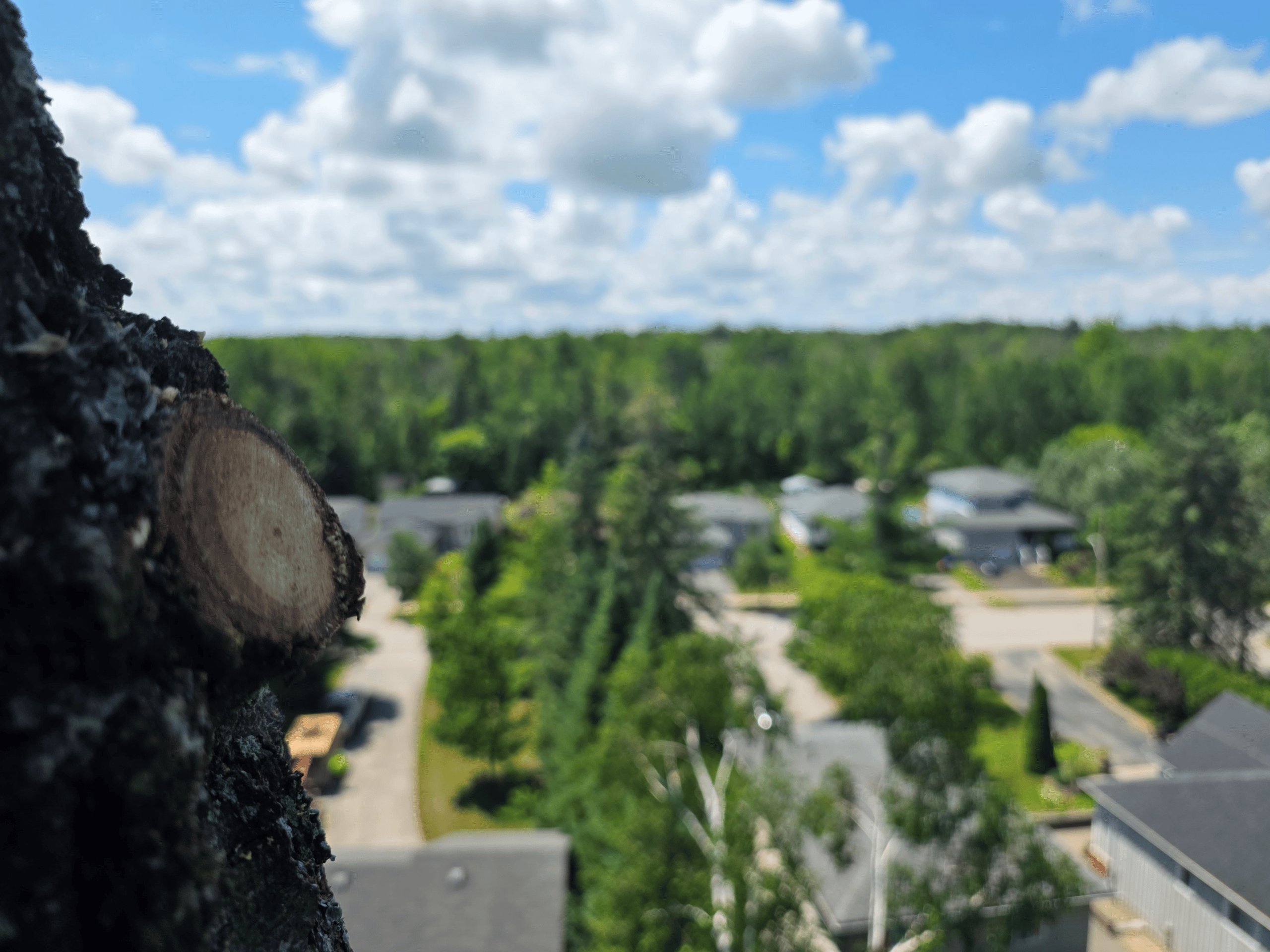
Controlled reduction of selected branch tips to manage length, weight and spread while keeping the tree’s natural form.
View detailsTip Reduction
Tip reduction involves shortening the outer portions, or tips, of selected branches to reduce their overall length, weight and spread. Branches are reduced back to suitable lateral branches rather than simply cutting the ends off indiscriminately. This can be used where branches have become too long, are extending toward structures or need to have their overall reach reduced while maintaining as much of the tree’s natural structure as possible.
Benefits
- Reduces the length and weight of selected branches
- Helps manage excessive branch growth
- Provides clearance from buildings and other structures
- Can reduce leverage on long, overextended limbs
- Maintains a more natural appearance than aggressive topping
- Helps manage trees that are becoming too large for their location

Deadwood Removal
Preventative removal of dead, dying, broken or severely compromised limbs, especially above frequently used areas.
View detailsDeadwood Removal
Deadwood removal involves identifying and removing dead, dying, broken or severely compromised branches from a tree. The amount of removal depends on the tree’s condition and the location and size of the deadwood. Branches are safely removed from the canopy, particularly where they could fall onto homes, driveways, walkways, patios or frequently used parts of a property.
Benefits
- Removes potentially falling branches
- Reduces hazards around homes and properties
- Improves the overall appearance of the tree
- Removes broken and deteriorating limbs
- Helps keep the canopy cleaner and healthier
- Particularly valuable for mature trees and trees located near structures
Tree Risk Assessment
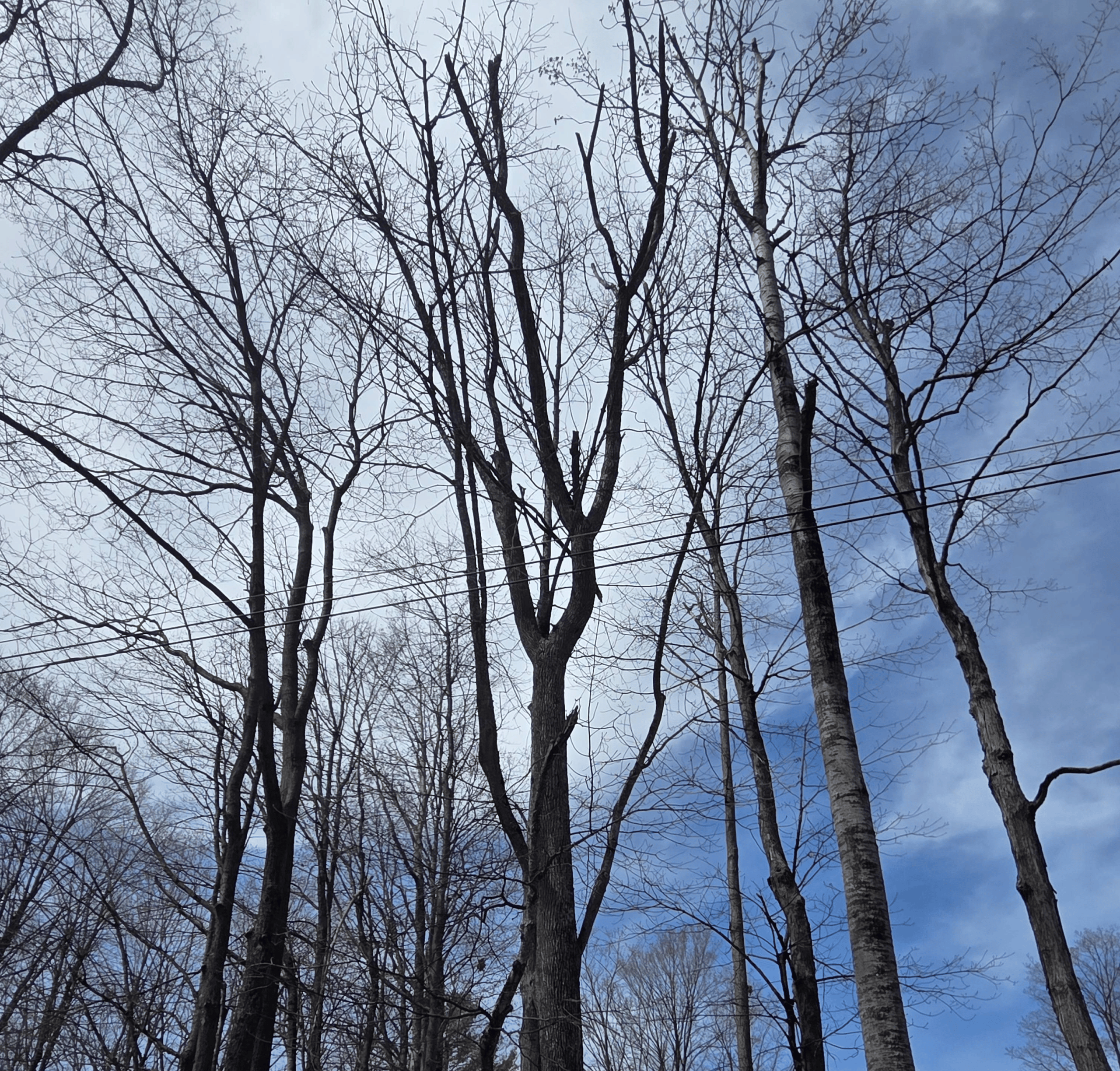
A proactive inspection to identify visible structural, health and environmental conditions that could contribute to tree failure.
View detailsTree Risk Assessment
A tree risk assessment is an inspection of a tree to identify visible structural, health and environmental conditions that could contribute to failure or create a hazard. The assessment can look at deadwood, broken branches, cracks, decay, cavities, weak branch unions, excessive leaning, root issues, previous damage and the tree’s proximity to homes, vehicles, people or other targets. The assessment is then used to determine what action may be appropriate, such as pruning, monitoring, additional investigation or removal.
Benefits
- Identifies potential hazards before they become emergencies
- Helps property owners make informed decisions
- Can identify trees requiring maintenance or monitoring
- Helps prioritize necessary tree work
- Provides peace of mind for homeowners and property managers
- Particularly useful for large, mature, damaged or questionable trees
Tree Removal
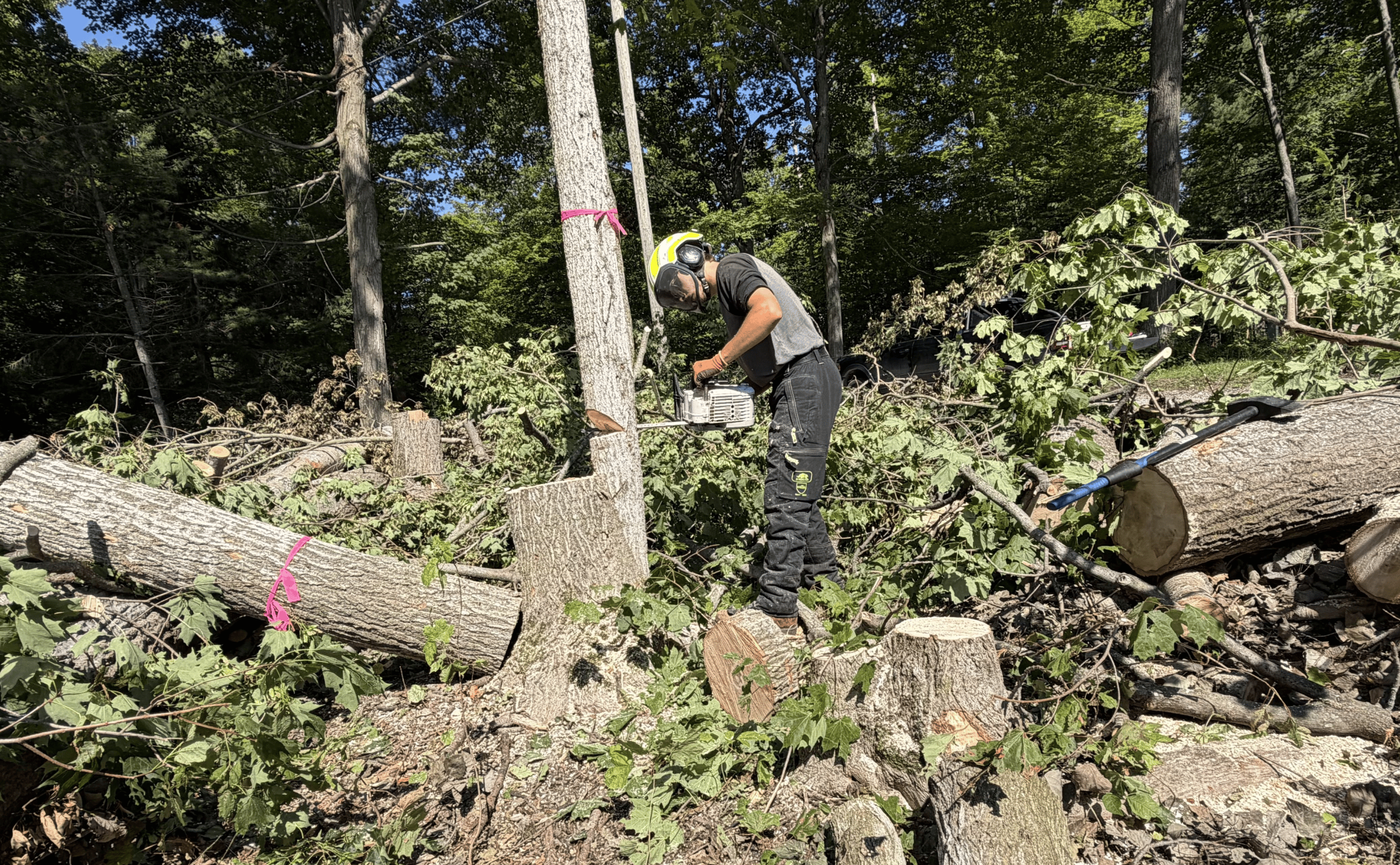
Safe, controlled removal of trees that are dead, diseased, damaged, hazardous, poorly positioned or no longer suitable for their location.
View detailsTree Removal
Tree removal is the complete removal of a tree from the property. Depending on the tree’s size, condition, and location, the tree may be dismantled in sections using climbing, ropes and rigging, or specialized equipment. Branches and sections of the trunk are carefully controlled during removal to minimize the risk of damage to surrounding buildings, landscaping, vehicles, fences, and other property. Once the tree is down, the remaining material can be processed and the work area cleaned up according to the scope of the job.
Benefits
- Removes trees that are dead, diseased, damaged, or hazardous
- Creates space for construction, landscaping, or other property improvements
- Eliminates trees that are poorly positioned or no longer suitable for their location
- Protects nearby structures and property when a tree presents a significant risk
- Provides a solution when pruning or other maintenance is no longer appropriate
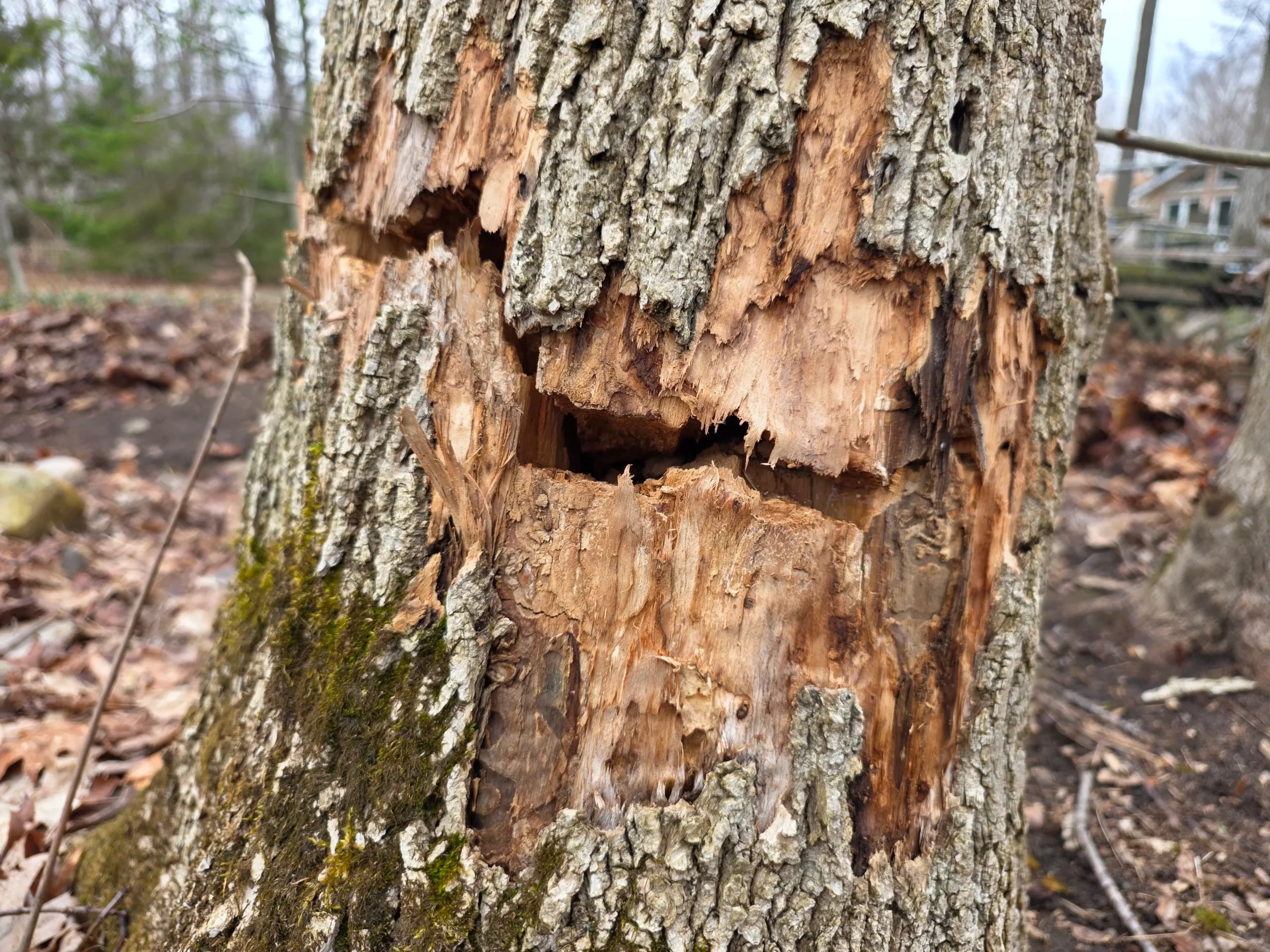
Hazardous Tree Removal
Specialized removal for higher-risk trees where condition, location or nearby obstacles make conventional removal unsafe or impractical.
View detailsHazardous Tree Removal
Hazardous tree removal involves the removal of trees that present an elevated risk because of their condition or location. Examples can include severely damaged trees, heavily decayed trees, structurally compromised trees, trees with significant deadwood or trees that have become unstable following severe weather. These trees may require more detailed planning and specialized removal techniques because conventional felling may not be safe or possible.
Benefits
- Addresses serious tree hazards
- Reduces the potential for property damage or injury
- Allows difficult trees to be removed in a controlled manner
- Specialized approach for trees in challenging locations
- Can address hazards before they become emergency situations
- Helps protect homes, vehicles, structures and surrounding property
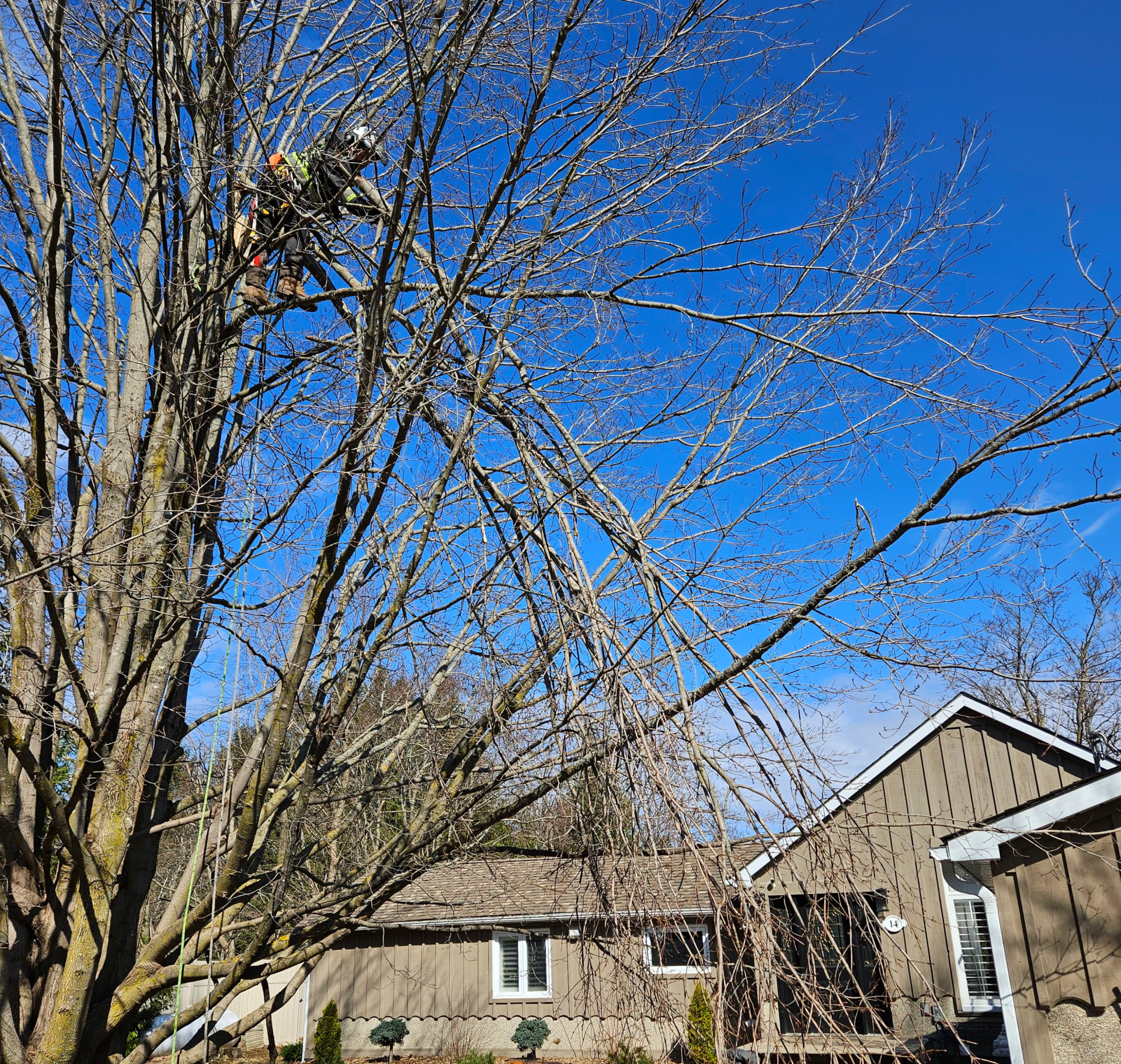
Storm Damage
Responsive help for trees and branches damaged by high winds, heavy snow, ice, lightning or other severe weather.
View detailsStorm Damage
Storm damage services address trees and branches that have been damaged by high winds, heavy snow, ice, lightning or other severe weather. The work may involve removing fallen trees, broken branches, hanging or partially detached limbs and other dangerous material. Remaining trees can also be assessed for additional damage or structural hazards that may not be immediately obvious.
Benefits
- Helps restore safety following severe weather
- Removes fallen and broken trees and branches
- Addresses dangerous hanging or damaged limbs
- Helps prevent additional property damage
- Identifies remaining hazards after a storm
- Helps homeowners regain access to driveways, yards, walkways and structures
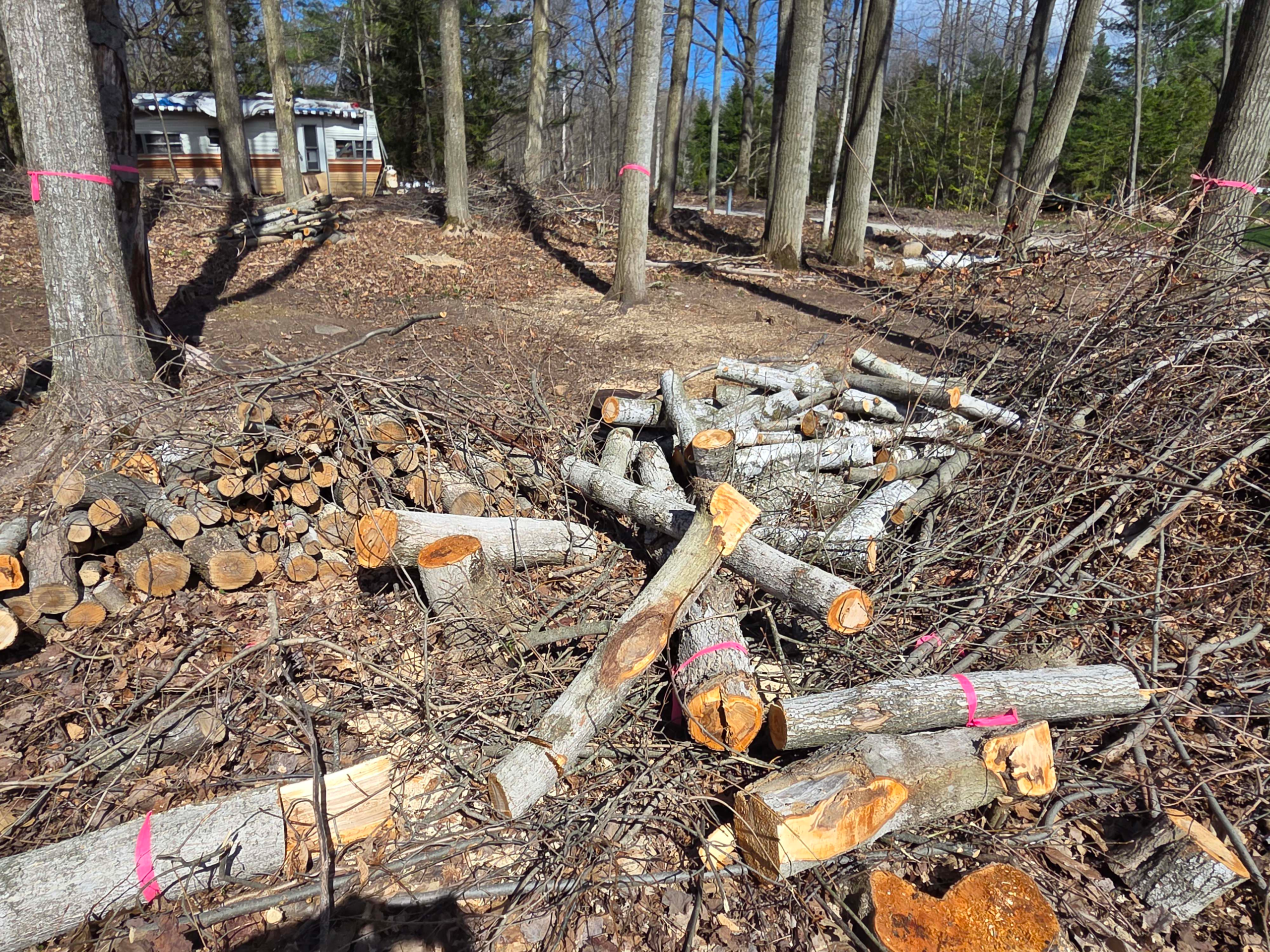
Property Line Clearing
Clear trees, brush, branches and unwanted vegetation along property boundaries to improve access and reclaim usable space.
View detailsProperty Line Clearing
Property line clearing involves removing trees, brush, branches and other unwanted vegetation along a property’s boundary. The extent of clearing can vary depending on the purpose of the project. This work may be performed to expose an existing property line, prepare for a fence, improve access, create a maintained boundary or clear overgrown vegetation between neighbouring properties.
Benefits
- Makes property boundaries easier to identify
- Clears space for fencing and other projects
- Improves access along property boundaries
- Removes unwanted trees and overgrowth
- Helps prevent vegetation from encroaching on maintained areas
- Creates a cleaner and more manageable property edge
Professional Service From Start To Finish
What you can expect from Speedline.
Quality tree work is more than making the cut. The scope, property, communication and cleanup all matter.
Free Quotes
Free, no-obligation quotes with an on-site walkthrough before pricing is finalized.
Clear Pricing
Know the agreed-upon scope and price before work begins.
Property Protection
Structures, landscaping, driveways, fences and surrounding property are considered in the work plan.
Professional Workmanship
Safety-focused practices and professional equipment are used for the agreed scope of work.
Jobsite Cleanup
Branches, brush and project debris are handled according to the agreed cleanup scope.
Residential & Commercial
Services are available for homeowners, businesses, property managers, contractors and larger projects.
Not Sure What You Need?